Avoiding Common Pitfalls in Handmade Sourcing: Expert Tips
MC
Understanding the Importance of Handmade Sourcing
Sourcing handmade products can be a rewarding venture, offering unique items that stand out in the market. However, this process requires a keen understanding of what makes each piece special. Handmade goods often carry the artisan's touch, a story, and cultural significance that mass-produced items lack.
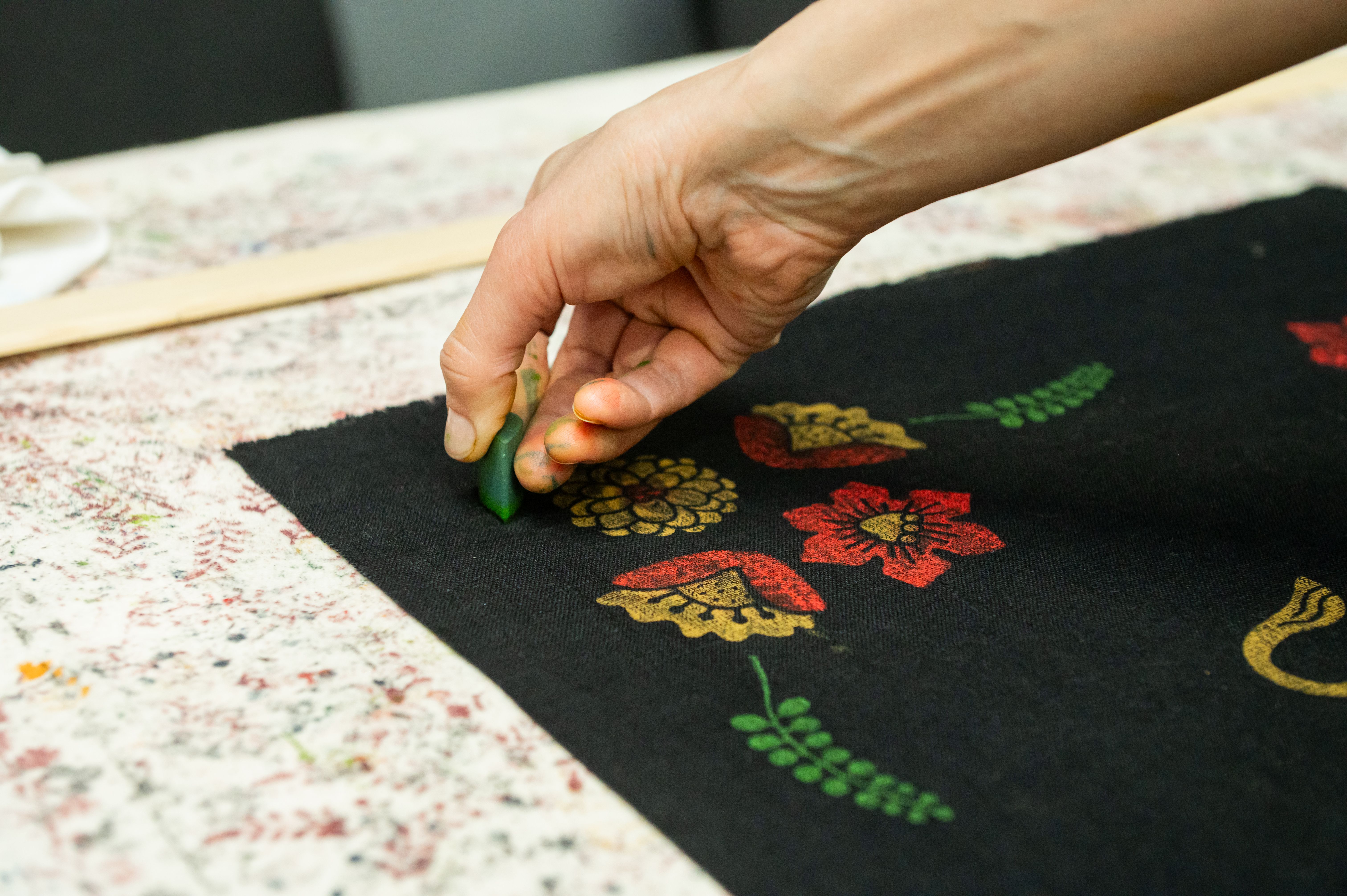
When done correctly, sourcing handmade products can enhance your inventory and attract a discerning clientele. However, there are several common pitfalls to avoid to ensure that your business benefits from these unique offerings.
Researching Artisans and Their Techniques
Before engaging with artisans, it's crucial to conduct thorough research. Understanding the techniques used in crafting these items will help you appreciate their value. This knowledge also allows you to communicate effectively with artisans and build a respectful partnership.
Consider the following tips for effective artisan research:
- Learn about the cultural significance of the craft.
- Understand the materials and processes involved.
- Identify the artisans' unique styles and specialties.

Ensuring Fair Trade Practices
One of the most critical aspects of handmade sourcing is ensuring fair trade practices. This means that artisans receive fair compensation for their work and are provided with safe working conditions. Partnering with fair trade organizations can help verify that these standards are met.
Fair trade not only benefits the artisans but also enhances your brand's reputation. Customers increasingly value ethical sourcing and are more likely to support businesses that prioritize these practices.
Building Strong Relationships with Artisans
Establishing a strong relationship with artisans is essential for long-term success. Communication is key. Be transparent about your expectations and open to feedback. This mutual understanding fosters trust and can lead to collaborative innovation.

Visiting artisans in person, if possible, can further strengthen these relationships. Seeing their work environment and understanding their daily challenges can provide valuable insights and foster mutual respect.
Managing Quality Control
Quality control is another vital aspect of handmade sourcing. Handmade items can vary significantly in quality, even within the same batch. Establishing clear quality standards and conducting regular inspections can help maintain consistency.
Consider setting up a quality assurance process that includes:
- Detailed product specifications.
- Regular communication with artisans about quality expectations.
- Periodic quality checks to ensure standards are met.
Adapting to Market Trends
The handmade market is dynamic, with trends evolving rapidly. Staying informed about these changes can help you adjust your inventory and keep your offerings fresh. Attend trade shows, follow industry publications, and engage with online communities to stay ahead.

Being responsive to trends not only keeps your business relevant but also demonstrates to artisans that you are committed to promoting their work effectively.
Conclusion
Avoiding common pitfalls in handmade sourcing requires diligence, respect, and a commitment to ethical practices. By understanding the intricacies of handmade goods, ensuring fair trade, and maintaining strong relationships with artisans, you can successfully navigate this rewarding market. With these expert tips, you're well on your way to creating a thriving business that celebrates the art of handmade craftsmanship.