How to Navigate Wholesale Sourcing in Europe: Tips for Irish Businesses


Expanding your business through wholesale sourcing in Europe can be a strategic move for Irish businesses. The continent offers a diverse range of products and suppliers, making it an attractive option for businesses looking to diversify their offerings.

Understanding the European Market
Before diving into wholesale sourcing, it’s crucial to understand the European market. Each country within Europe has its own set of regulations, cultures, and business practices. Researching these aspects can help you identify the best countries to source from, depending on your industry and target market.
Regulatory Considerations
European regulations can be complex, especially when it comes to importing goods. It's important to familiarize yourself with the EU's import regulations and any specific requirements for the countries you're interested in. This might include product certifications, safety standards, and customs duties.

Identifying Reliable Suppliers
Finding reliable suppliers is a crucial step in wholesale sourcing. Start by researching potential suppliers online, attending trade shows, or using B2B marketplaces. Look for suppliers with a strong track record, positive reviews, and the ability to meet your volume and quality requirements.
Building Relationships
Building strong relationships with your suppliers can lead to better pricing and more favorable terms. Consider visiting suppliers in person to establish trust and gain a deeper understanding of their operations. Regular communication is key to maintaining a successful partnership.

Navigating Logistics and Shipping
Logistics and shipping are critical components of wholesale sourcing. Understanding the logistics infrastructure in Europe, including major ports and transportation networks, can help you plan more effectively. It's also essential to consider shipping costs and delivery times when choosing suppliers.
Choosing the Right Shipping Method
Depending on your budget and timeline, you may choose between air, sea, or land freight. Each method has its pros and cons, so it's important to evaluate what's most suitable for your specific needs. Working with a reliable logistics partner can simplify this process.
Managing Currency Exchange
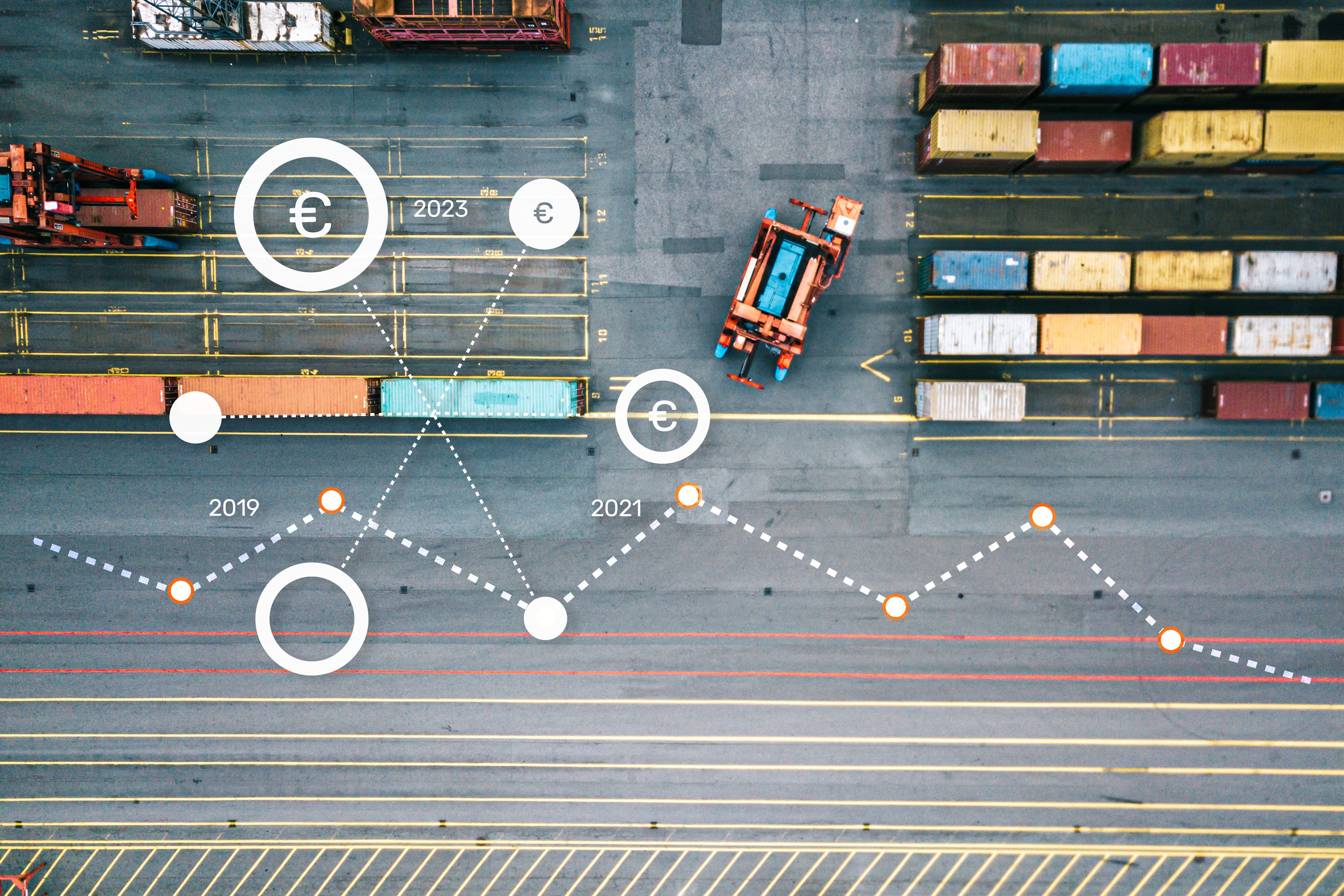
Dealing with different currencies can impact your costs and pricing strategy. It's important to monitor exchange rates and consider using financial tools to hedge against currency fluctuations. This can help protect your profit margins and ensure stable pricing for your customers.
Financial Planning
Effective financial planning is crucial for successful wholesale sourcing. Create a detailed budget that accounts for all potential costs, including shipping, duties, and currency exchange. This can help you make informed decisions and avoid unexpected financial challenges.