How to Source Authentic Handmade Products from Eastern Europe: A Step-by-Step Guide
MC
Understanding the Appeal of Eastern European Handmade Products
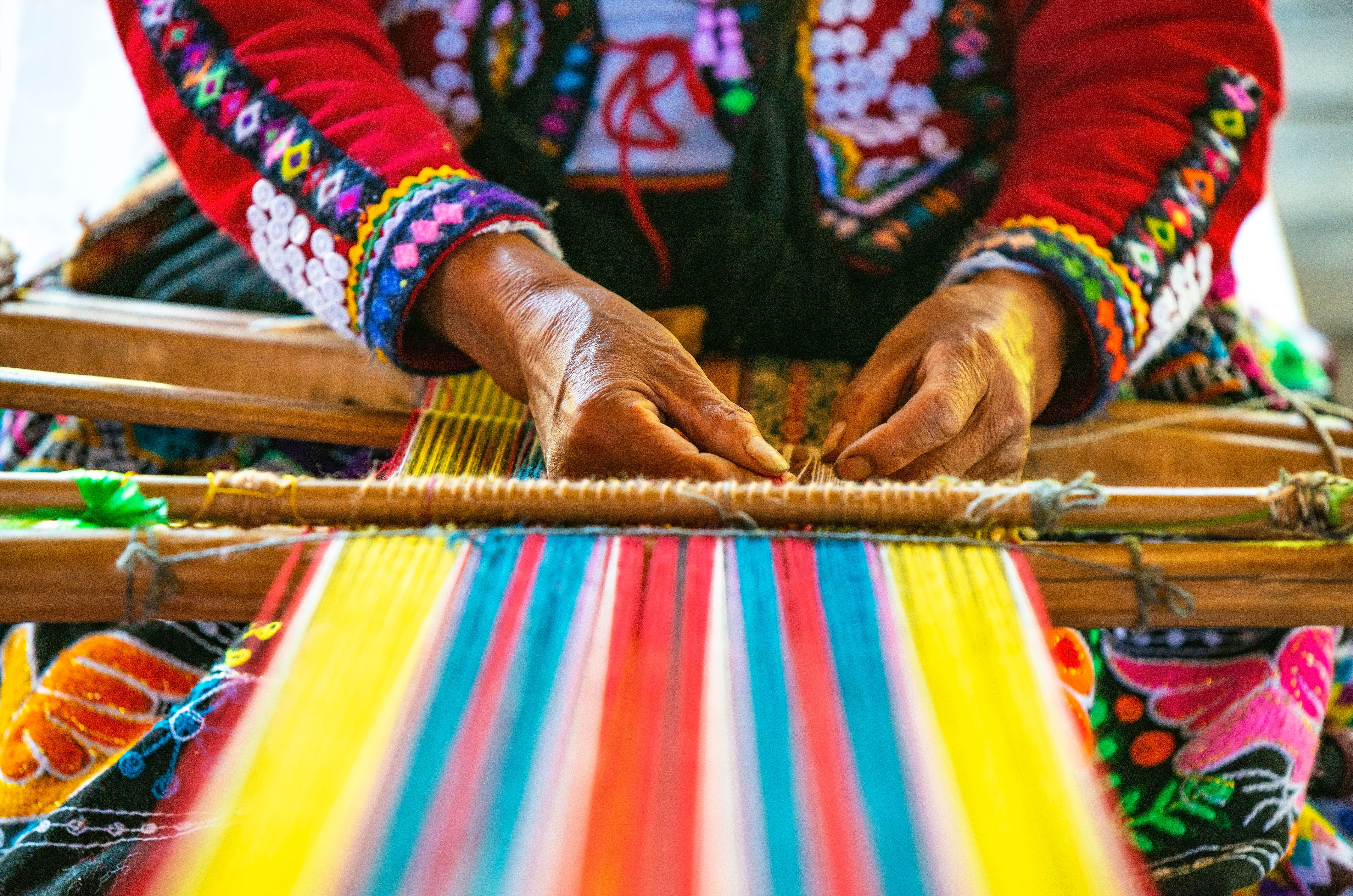
Eastern Europe is renowned for its rich cultural heritage and exquisite craftsmanship. From intricately woven textiles to beautifully carved woodwork, the region offers a diverse array of handmade products that reflect centuries-old traditions. These items not only make for unique purchases but also support local artisans and preserve cultural heritage.
Researching Potential Sources
The first step in sourcing authentic handmade products is thorough research. Identify countries and regions within Eastern Europe known for specific crafts. For example, Poland is famous for pottery, while Romania is known for its vibrant textiles. Utilize online platforms, craft fairs, and social media to discover artisans and cooperatives.
Building Relationships with Artisans
Once potential sources are identified, building a relationship with artisans is crucial. Communication is key to understanding their craft, production capabilities, and authenticity. Engage with them via emails or video calls, and if possible, plan a visit to their workshops. This not only helps in verifying the authenticity but also builds trust, leading to better business relationships.

Ensuring Authenticity and Quality
Authenticity is paramount when sourcing handmade products. Look for certifications or associations ensuring the products are genuinely handmade and not mass-produced. Ask for samples to evaluate the quality firsthand. This step helps in making informed decisions and ensuring that the products meet your standards.
Navigating Logistics and Shipping
Logistics can be a challenge when sourcing from abroad. Research reliable shipping companies experienced in handling international deliveries. Consider factors like shipping costs, delivery times, and customs regulations. Proper planning in this area ensures smooth and cost-effective product delivery.

Negotiating Fair Prices
While it’s important to secure a good deal, remember that fair pricing supports artisans and their communities. Understand the cost structure, including materials and labor, to negotiate prices that are fair for both parties. Transparency in pricing builds mutual respect and ensures long-term partnerships.
Marketing and Selling Your Products
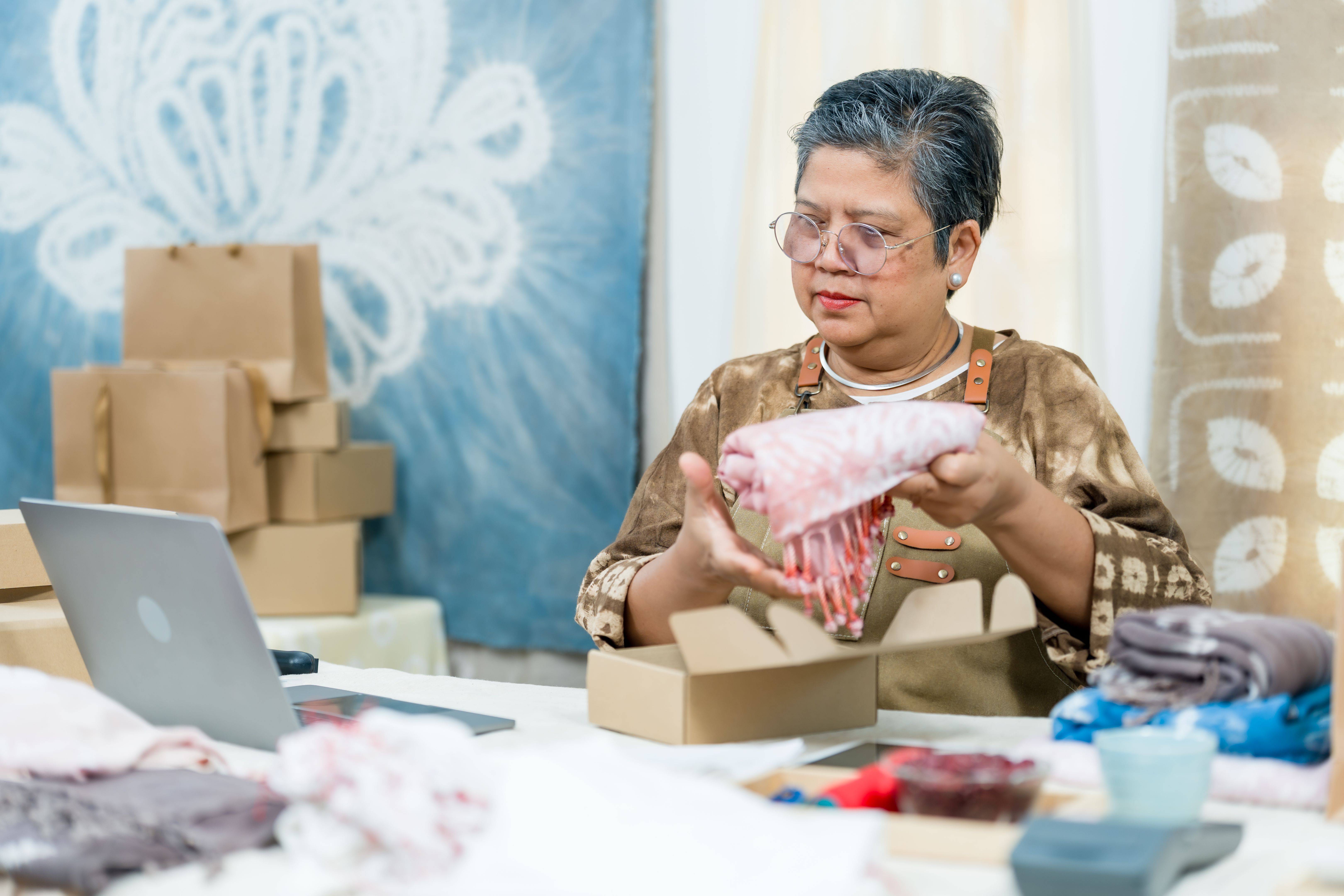
Once you have sourced your products, effective marketing is essential. Highlight the uniqueness and cultural significance of each item. Use storytelling to connect customers with the artisans and their craftsmanship. Utilize online platforms, social media, and local markets to reach a wide audience.
Building a Sustainable Business
Sustainability should be a core focus when sourcing handmade products. Choose eco-friendly materials and support artisans using sustainable practices. This not only aligns with global sustainability goals but also appeals to environmentally conscious customers.
By following these steps, you can successfully source authentic handmade products from Eastern Europe, enriching your offerings while supporting traditional artisans and their communities.