Seasonal Sourcing: How to Plan for Eastern Europe's Harvest Cycles
MC
Understanding Eastern Europe's Harvest Cycles
For businesses that rely on agricultural products, understanding the harvest cycles of different regions is crucial. Eastern Europe, with its rich agricultural heritage, presents unique opportunities for seasonal sourcing. By aligning your supply chain with these cycles, you can optimize costs, ensure freshness, and maintain sustainability.

The climate and geography of Eastern Europe give rise to diverse crop production. From Poland's fertile plains to Romania's rolling hills, each area offers a variety of produce. This diversity means that planning for these harvest cycles requires a strategic approach tailored to the specific crops you are interested in.
Key Crops and Their Harvest Seasons
Eastern Europe is known for its production of grains, fruits, and vegetables. Key crops include wheat, barley, corn, apples, and berries. Understanding when these crops are harvested can help businesses plan their sourcing strategies effectively.
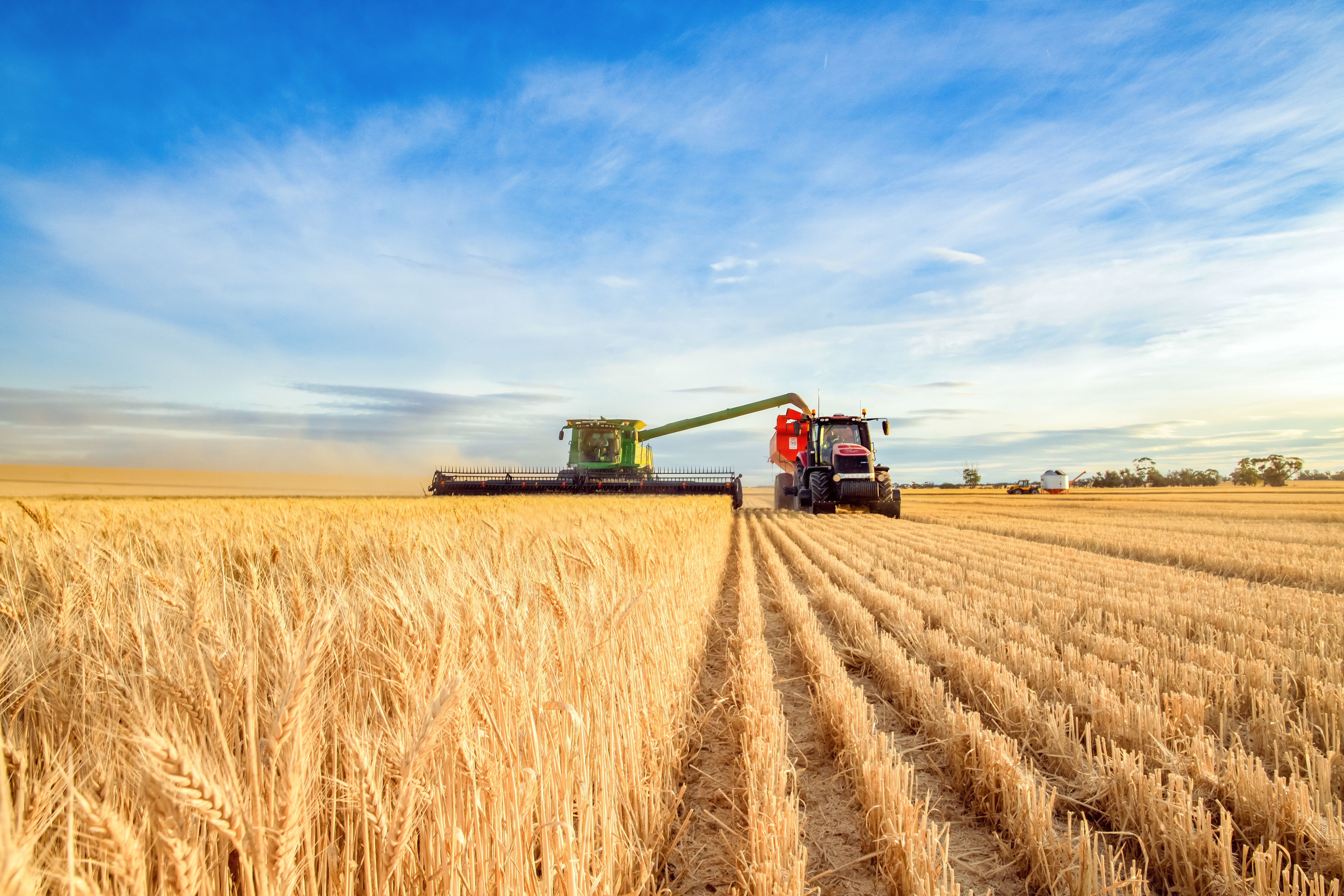
Grains such as wheat and barley are typically harvested from late summer to early autumn. This timing aligns well with the demand spikes in many markets, providing a steady supply of essential staples.
Fruits like apples and berries are usually harvested from late summer through early fall. These crops benefit from the region’s temperate climate, which ensures high-quality produce that's perfect for both fresh consumption and processing.
Planning Your Sourcing Strategy
To successfully source from Eastern Europe, it's essential to develop a comprehensive plan that considers the timing of harvest cycles, logistics, and potential risks. Here are some steps to guide your strategy:
- Research and Identify the specific crops you need and their corresponding harvest periods.
- Build Relationships with local suppliers and farmers to ensure a reliable supply chain.
- Consider Logistics by planning transportation routes that align with the harvest schedule to minimize delays.

Additionally, it's vital to account for any geopolitical or environmental factors that could impact the harvest. Weather patterns, political stability, and trade regulations all play a significant role in the success of your sourcing efforts.
Leveraging Technology for Better Planning
Utilizing technology can greatly enhance your ability to plan for Eastern Europe's harvest cycles. Tools like satellite imagery and weather forecasting can provide real-time data, helping you make informed decisions about your sourcing strategy.
Moreover, digital platforms can facilitate communication with suppliers, allowing for seamless coordination and adjustments as needed. Embracing these technologies can lead to more efficient and resilient supply chains.
Sustainability and Ethical Sourcing
As you plan your sourcing strategy, consider the importance of sustainability and ethical sourcing. Supporting local farmers and ensuring fair trade practices not only benefits the communities involved but also enhances your brand’s reputation.
By aligning your business practices with sustainable principles, you contribute to the long-term health of the environment and the agricultural sector in Eastern Europe. This approach fosters a positive impact and builds consumer trust.