Understanding Organic and Wild-Harvested Product Sourcing
MC
Introduction to Organic and Wild-Harvested Sourcing
In today's marketplace, consumers are increasingly interested in the origins of their products. Understanding the differences between organic and wild-harvested sourcing can help you make informed choices that align with your values and needs. Both methods offer unique benefits and challenges, shaping the quality and sustainability of the products we use daily.
What is Organic Sourcing?
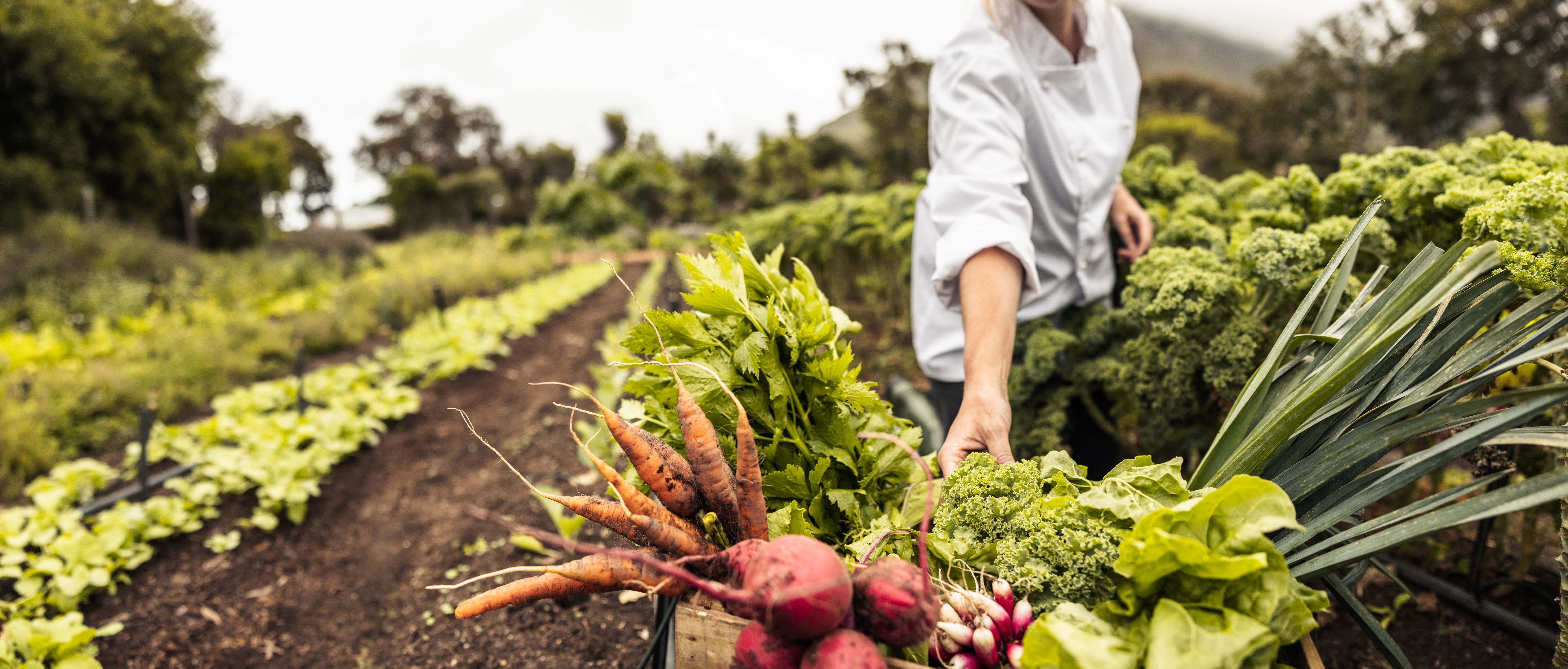
Organic sourcing refers to the practice of growing and processing products without synthetic fertilizers, pesticides, or genetically modified organisms (GMOs). This method emphasizes environmental sustainability and ecological balance, often resulting in healthier soil and biodiversity.
Benefits of Organic Sourcing
Healthier Products: Organic products often contain fewer chemicals and pesticides, making them a safer choice for consumption. They are also richer in nutrients, providing better health benefits.
Environmental Impact: Organic farming practices promote soil health, reduce pollution, and encourage biodiversity, making it a more sustainable option.
Understanding Wild-Harvested Sourcing
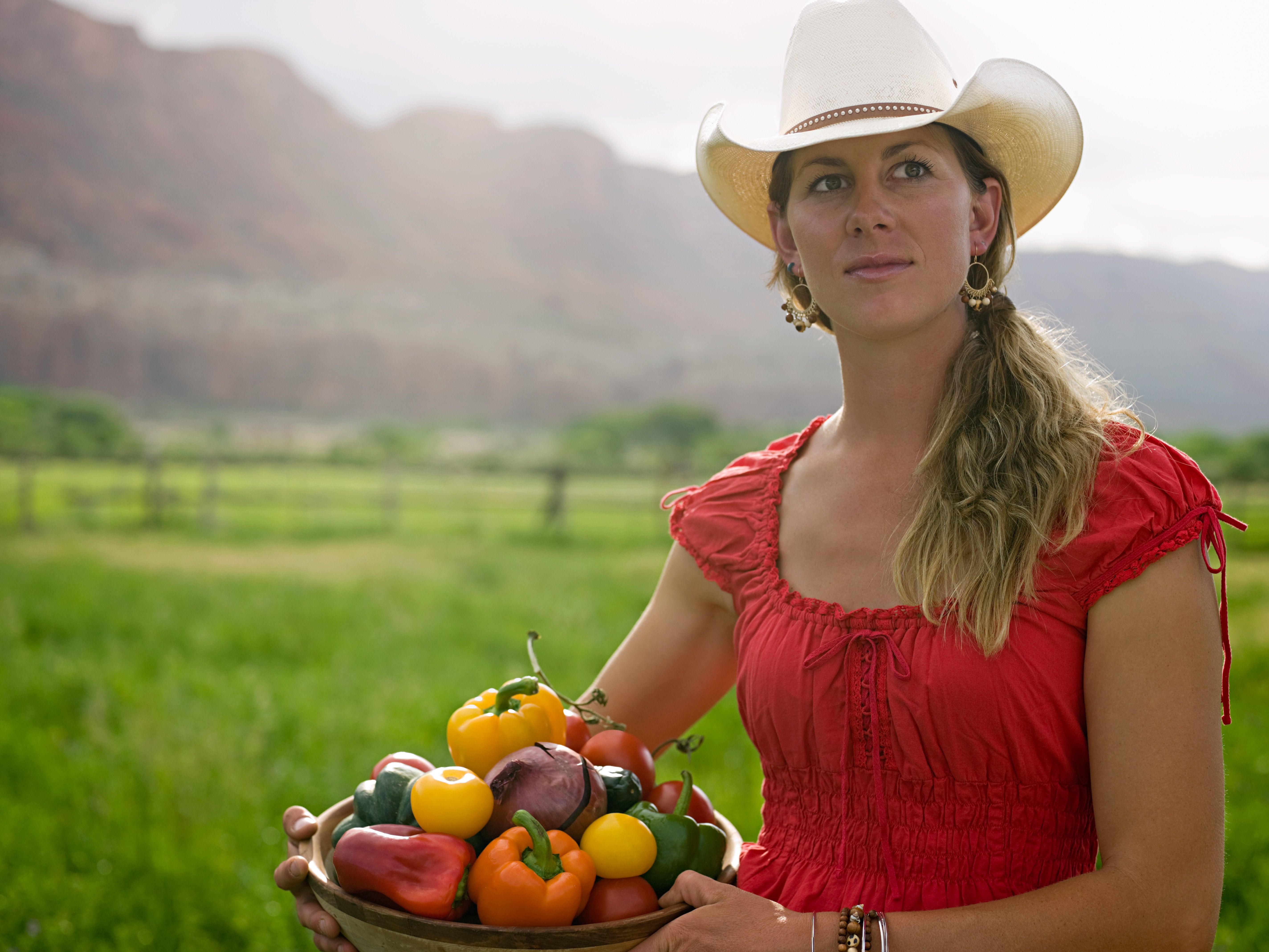
Wild-harvested sourcing involves collecting products directly from their natural environments without human intervention in their growth. This method is often used for herbs, berries, and other naturally occurring resources.
Benefits of Wild-Harvested Sourcing
Natural Growth: Products sourced this way grow in their natural habitat, often resulting in richer flavors and higher nutrient content.
Conservation Efforts: When done responsibly, wild harvesting supports conservation efforts by maintaining natural ecosystems and biodiversity.
Challenges in Sourcing Methods
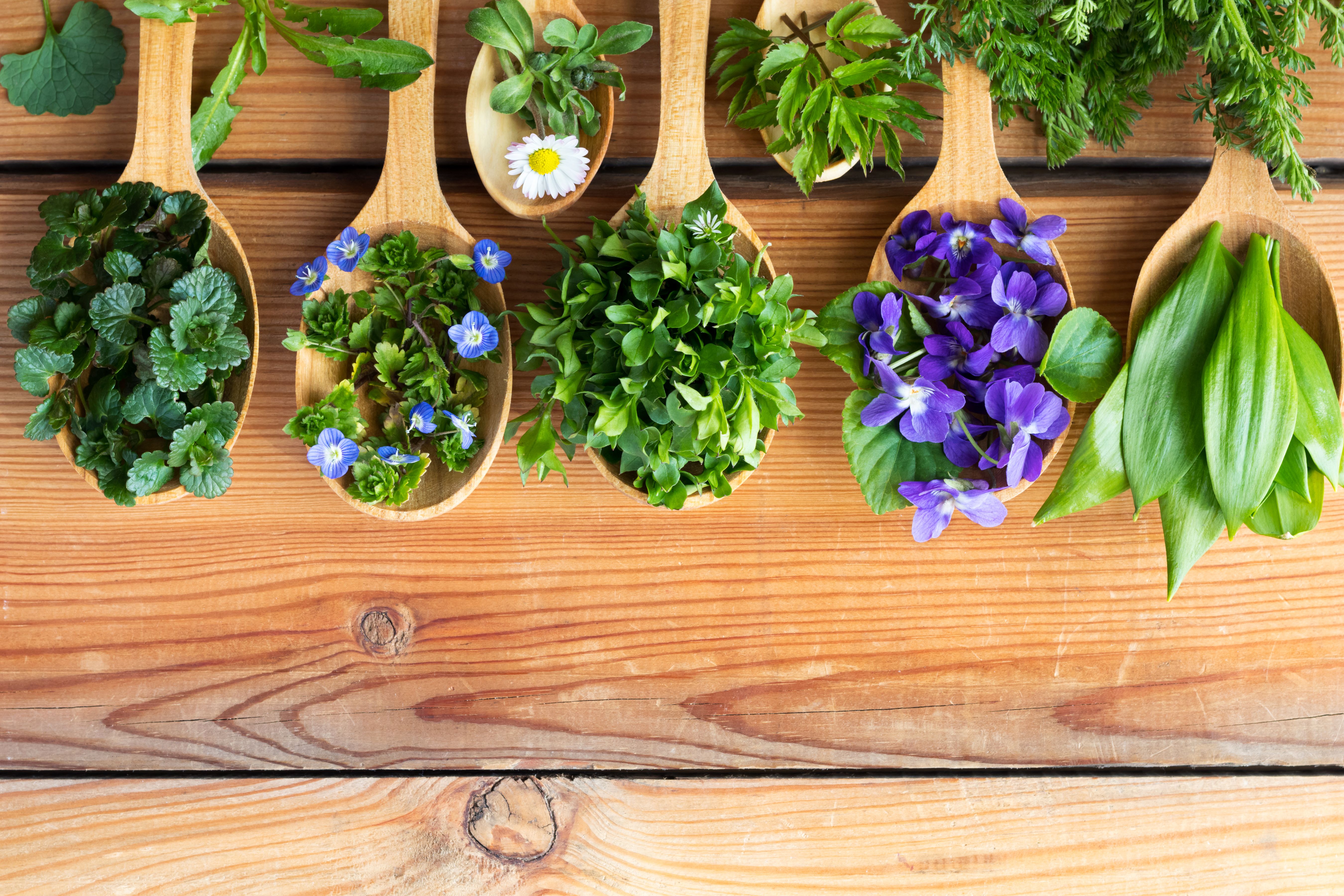
While both organic and wild-harvested sourcing offer significant benefits, they also come with challenges. Organic farming can be labor-intensive and costly, impacting the final price of products. Wild harvesting, on the other hand, requires careful management to avoid overharvesting and ensure sustainability.
Certification and Regulation
Both sourcing methods require strict adherence to standards. Organic products must be certified by recognized bodies, ensuring they meet specific criteria. Wild-harvested products may also require certification, particularly if they are endangered or protected species.

Choosing Between Organic and Wild-Harvested
The choice between organic and wild-harvested products often depends on individual preferences and values. Consider factors such as environmental impact, health benefits, and personal beliefs when making a decision.
Making Informed Decisions
Educating yourself about the sourcing of your products is crucial. Research brands and their sourcing practices to ensure they align with your values. Look for certifications and labels that verify the authenticity of organic and wild-harvested claims.
By understanding the intricacies of organic and wild-harvested sourcing, you can make choices that contribute to a healthier lifestyle and a more sustainable future.